
-May-22-2026-06-52-50-0615-AM.png)
Domain-Driven AI for Refinery
Refineries operate across tightly connected crude units, conversion assets, hydrogen networks, utilities, emissions systems, and maintenance workflows. Tridiagonal.ai helps refinery teams move from siloed dashboards to real-time, explainable decision intelligence that improves margins, reduces energy intensity, strengthens asset reliability, and supports sustainable operations.
Industry Overview
Modern refineries are complex, margin-sensitive operating systems. A change in crude quality, exchanger fouling, hydrogen availability, furnace efficiency, compressor health, or utility constraint can quickly impact throughput, product quality, energy cost, emissions, and maintenance planning.
Traditional monitoring tools often show what happened. Refinery teams now need systems that explain why it happened, what will happen next, and what action will create the highest operational and economic value.
Tridiagonal.ai enables refineries to build this decision layer by combining process engineering, physics-based understanding, machine learning, knowledge graphs, and agentic AI workflows.

AI-enabled refinery capabilities
Real-time monitoring of critical process units, utilities, and rotating equipment
Crude-to-product performance visibility across interconnected refinery systems
Predictive analytics for heat exchangers, furnaces, compressors, pumps, and critical assets
Hydrogen, steam, fuel gas, and energy network optimization
Early warning for operating deviations, alarms, reliability risks, and emissions excursions
Product quality prediction using plant data and lab-aligned soft sensors
Prescriptive recommendations for operations, maintenance, planning, and sustainability teams
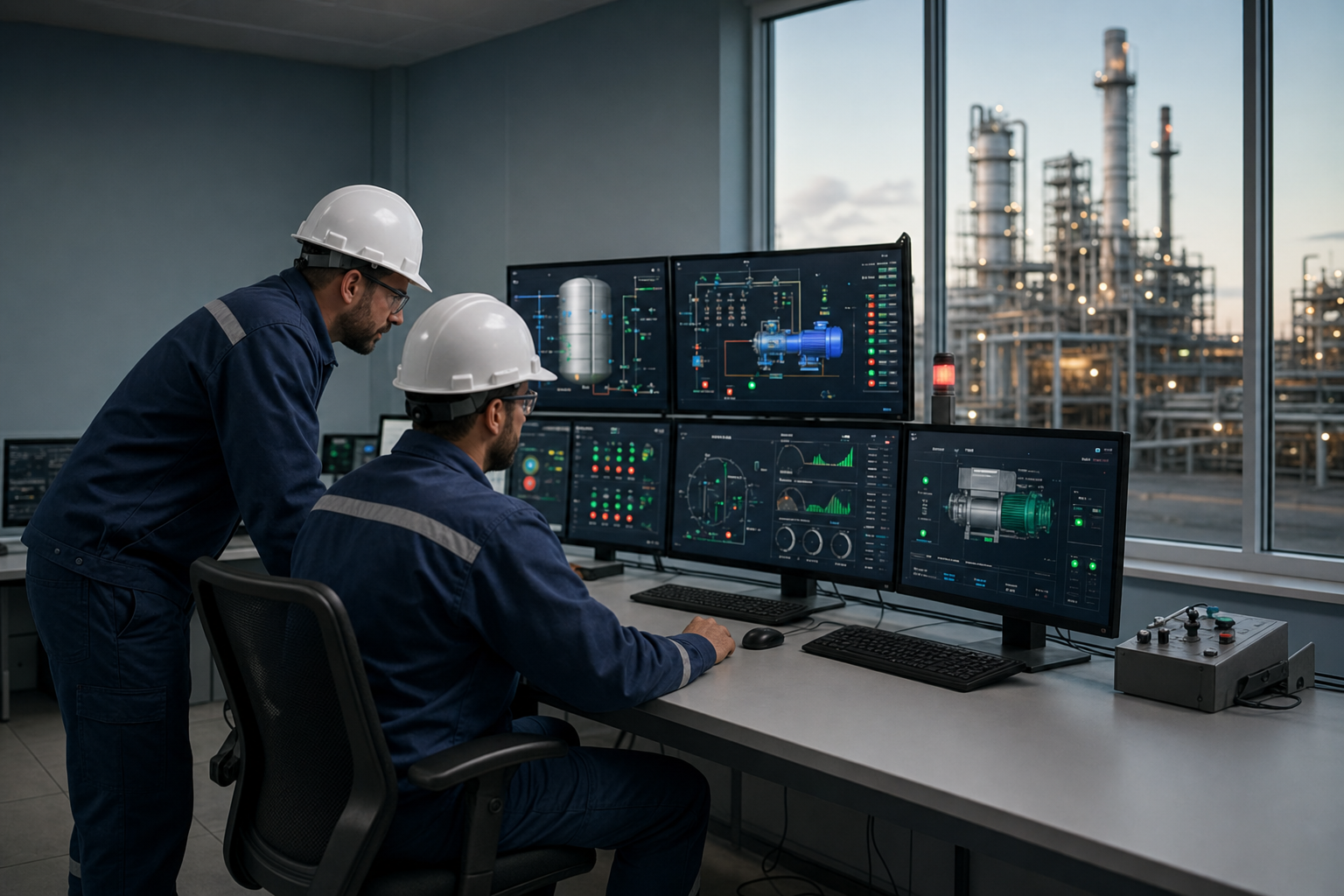
Real-time monitoring of critical process units, utilities, and rotating equipment
Refinery - Use Cases
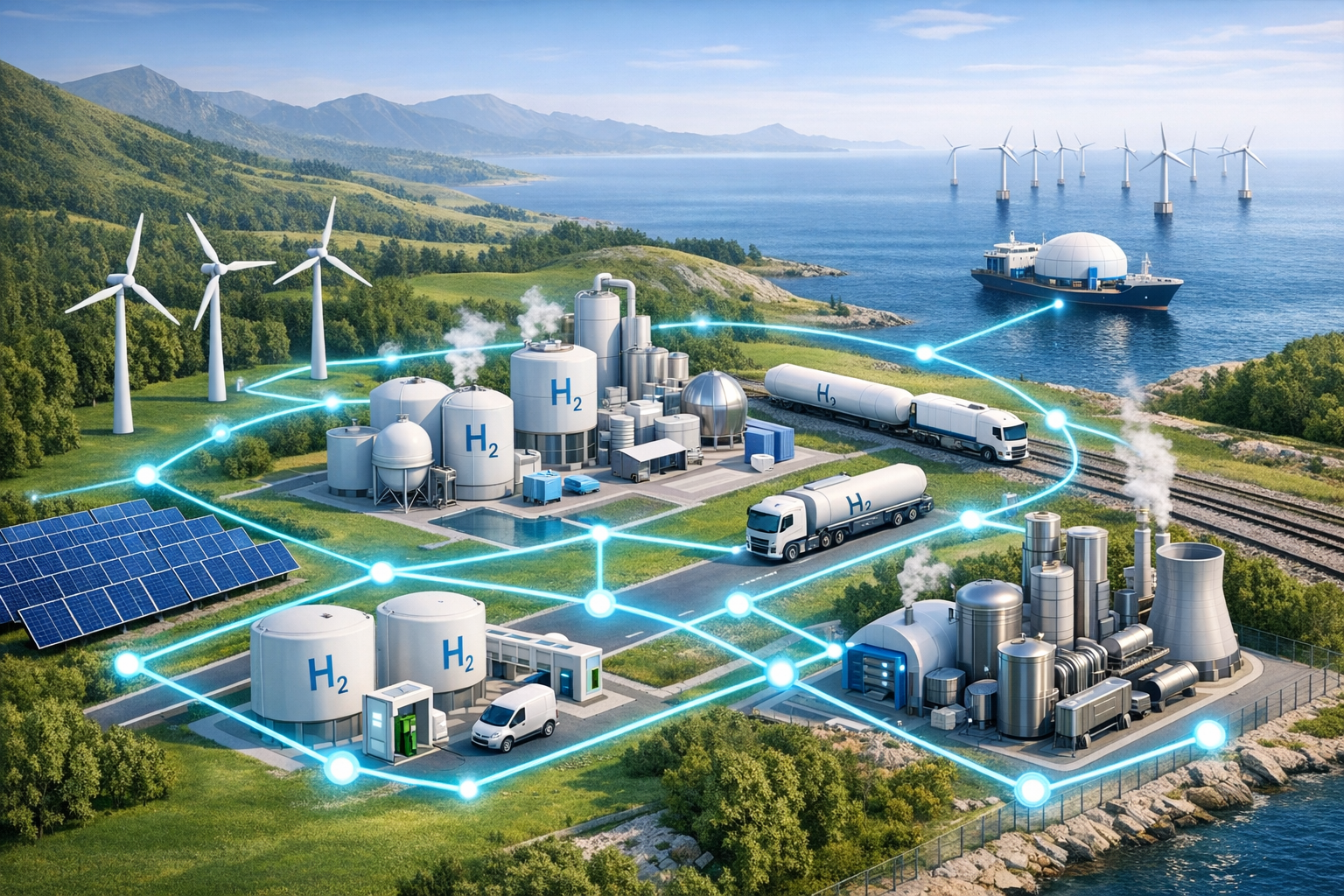
Hydrogen Network Optimization
Forecast hydrogen demand, optimize HGU generation, reduce hydrogen losses, and support lower-emission refinery operations.
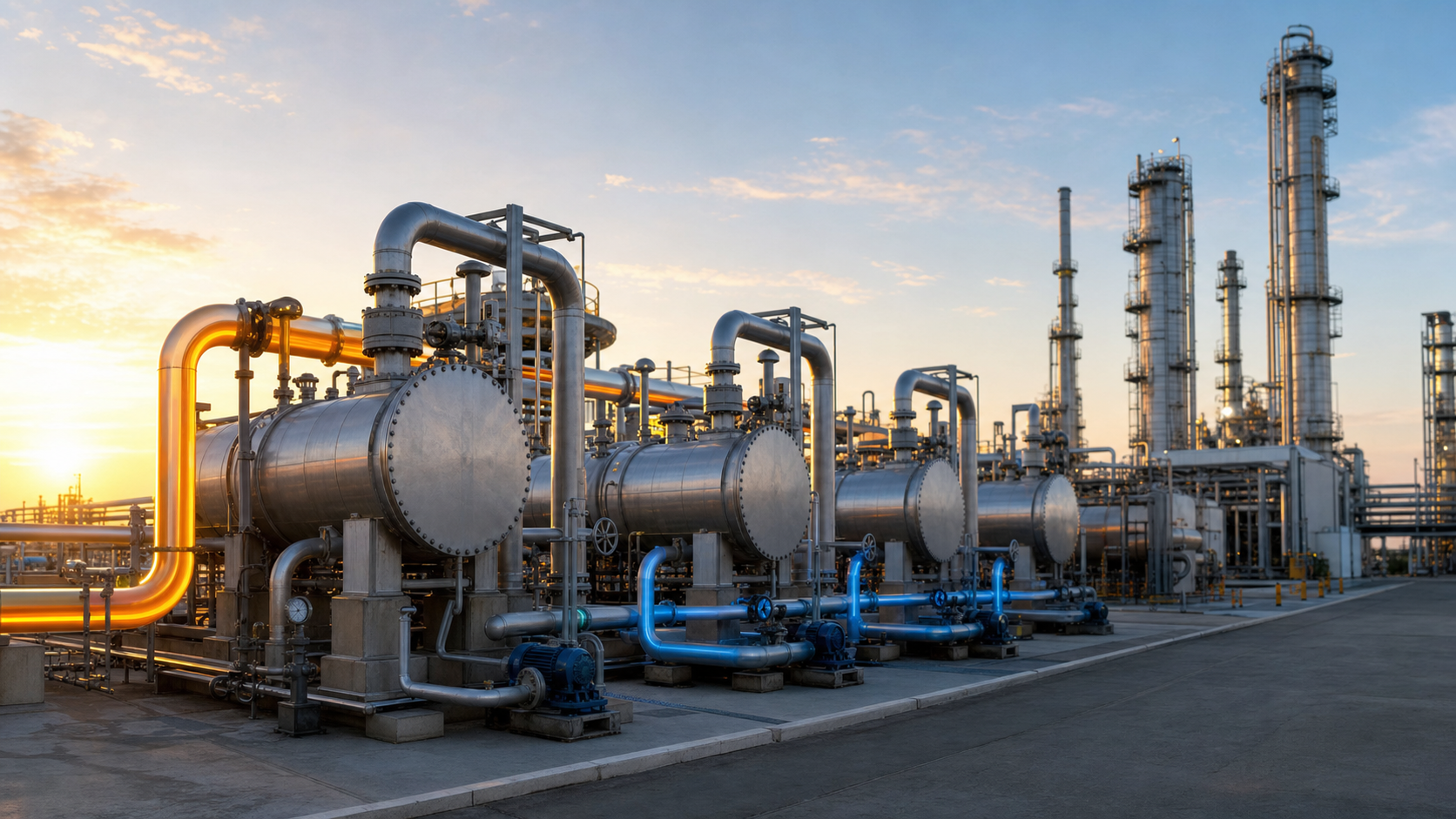
CDU/VDU Preheat Train Optimization
Monitor exchanger network performance, detect fouling propagation, and recommend cleaning or operating actions based on energy recovery and economic impact.
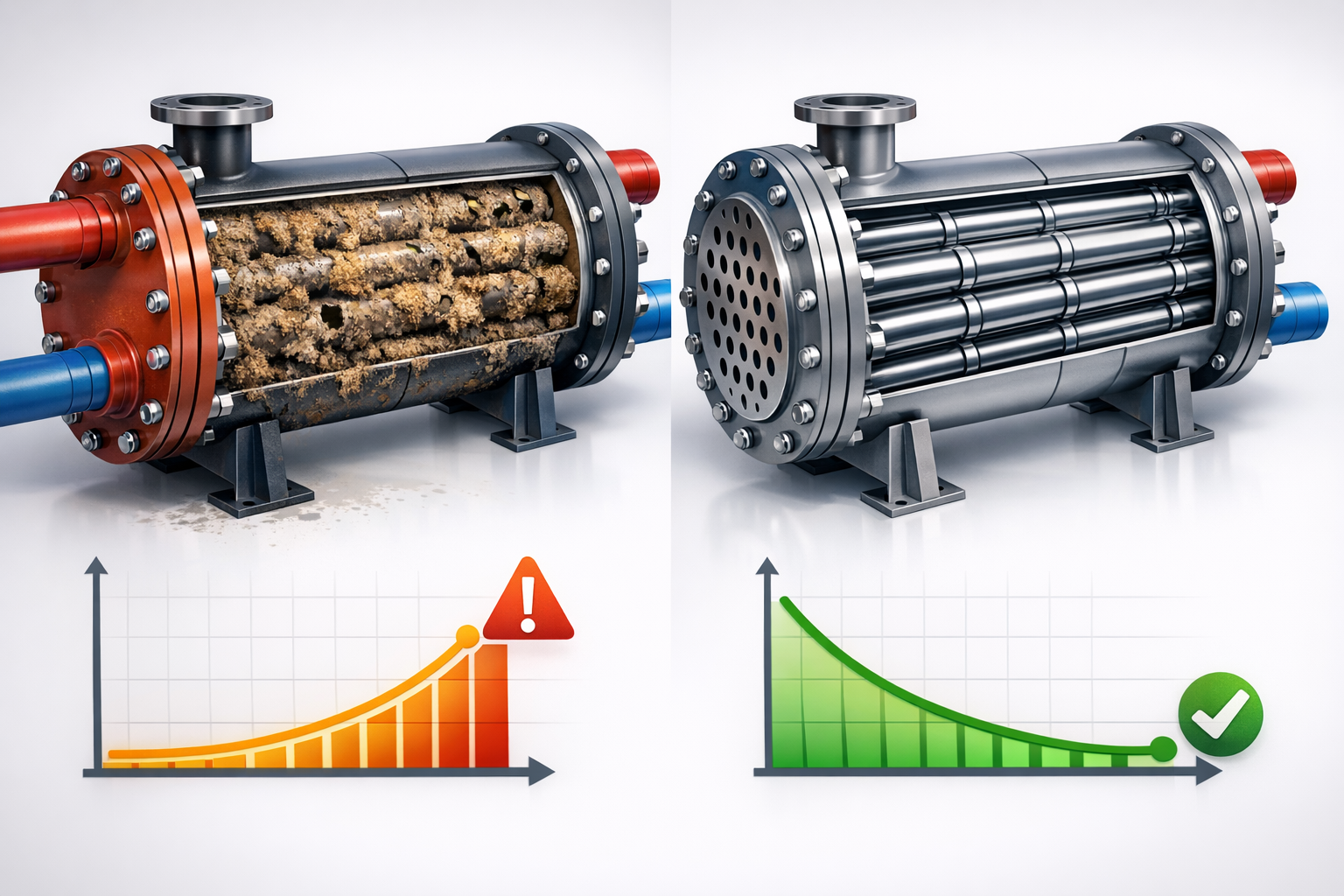
Heat Exchanger Fouling & EOC Prediction
Predict end-of-cycle and cleaning windows for critical exchangers to reduce furnace duty, maintenance cost, and unplanned performance losses.
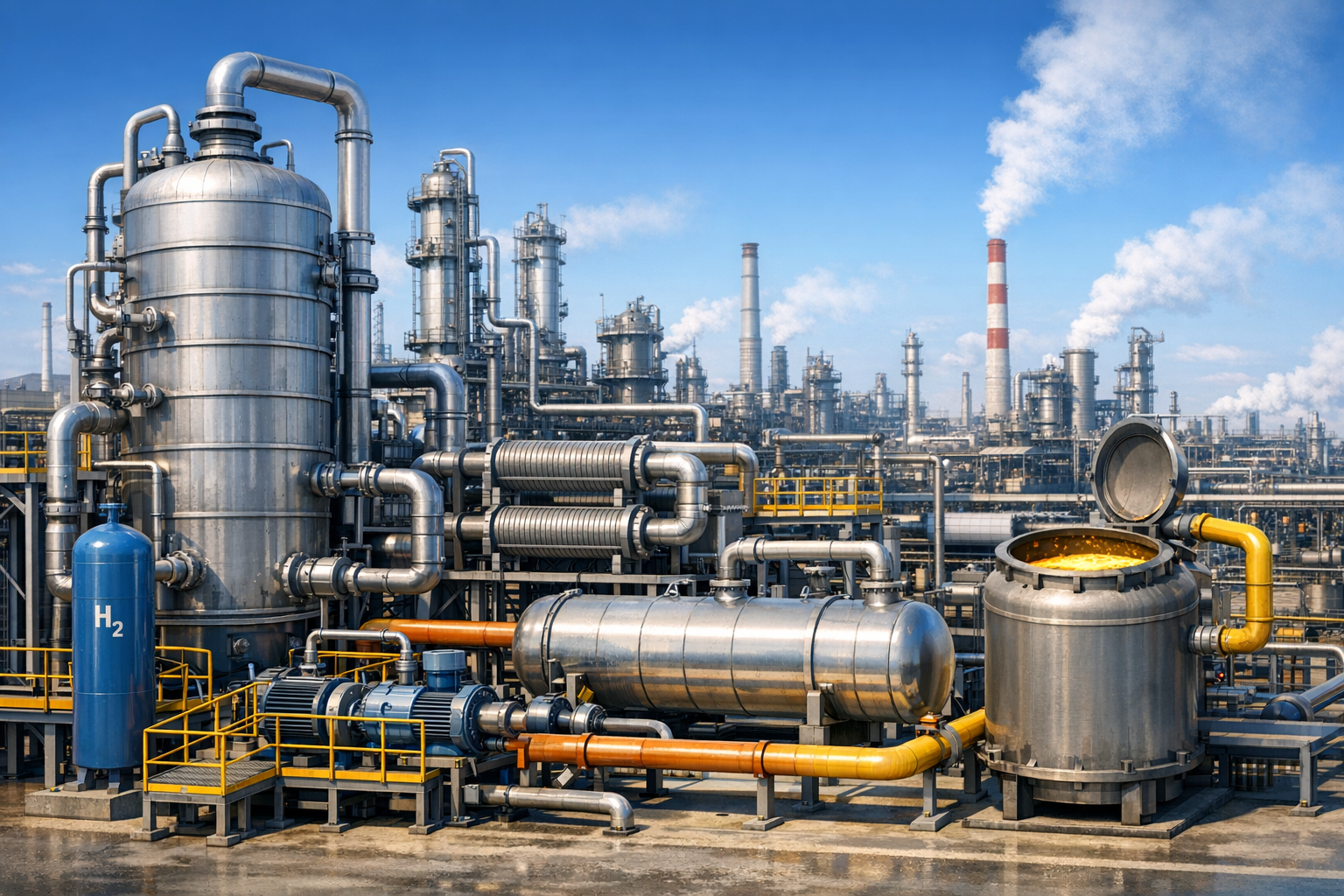
Diesel Hydrotreating Sulphur Prediction
Predict sulphur quality in real time, reduce conservative operating margins, optimize hydrogen usage, and improve catalyst utilization.
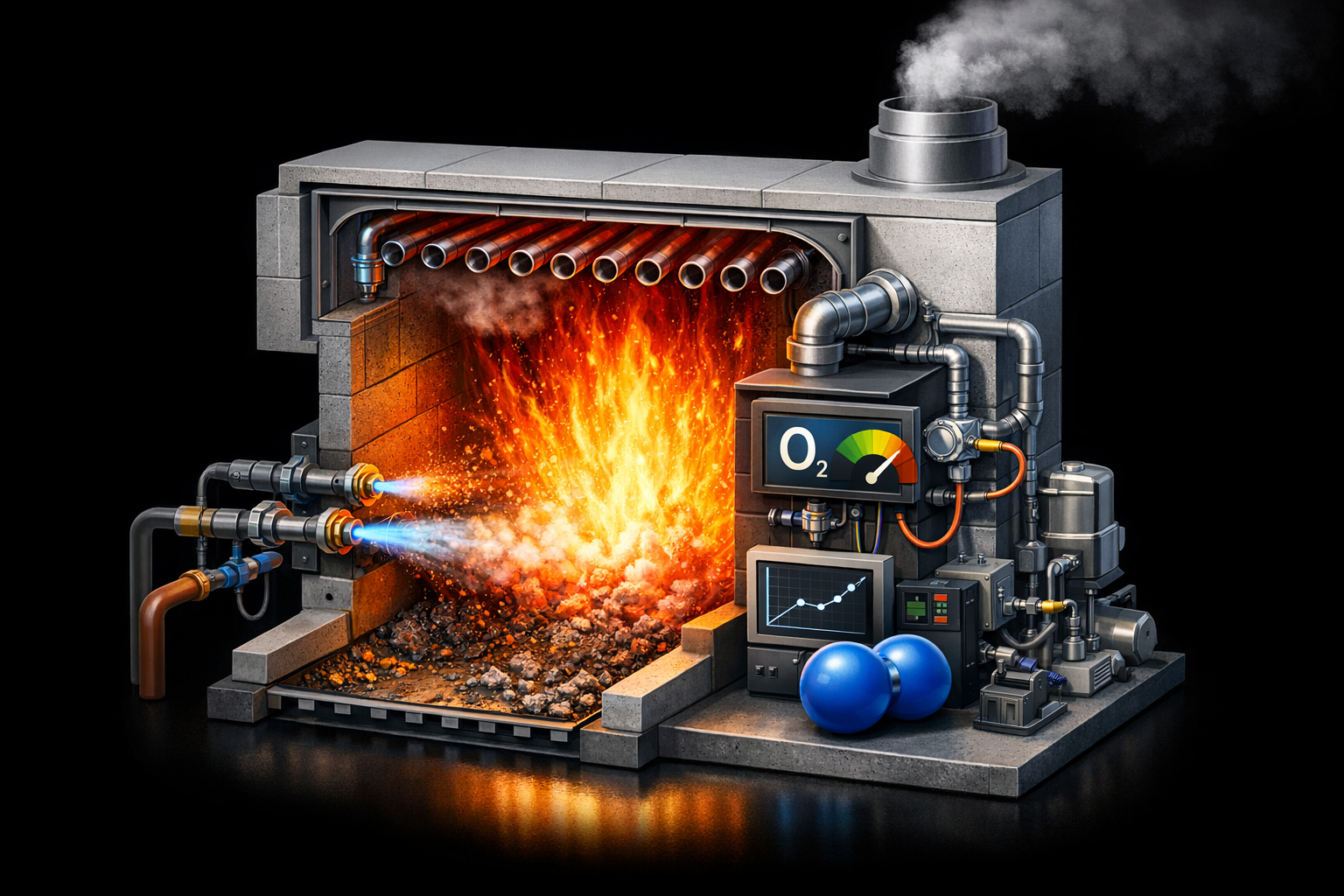
Furnace Combustion & O₂ Prediction
Predict flue gas oxygen and combustion performance to improve efficiency, protect furnace health, and reduce avoidable fuel consumption.
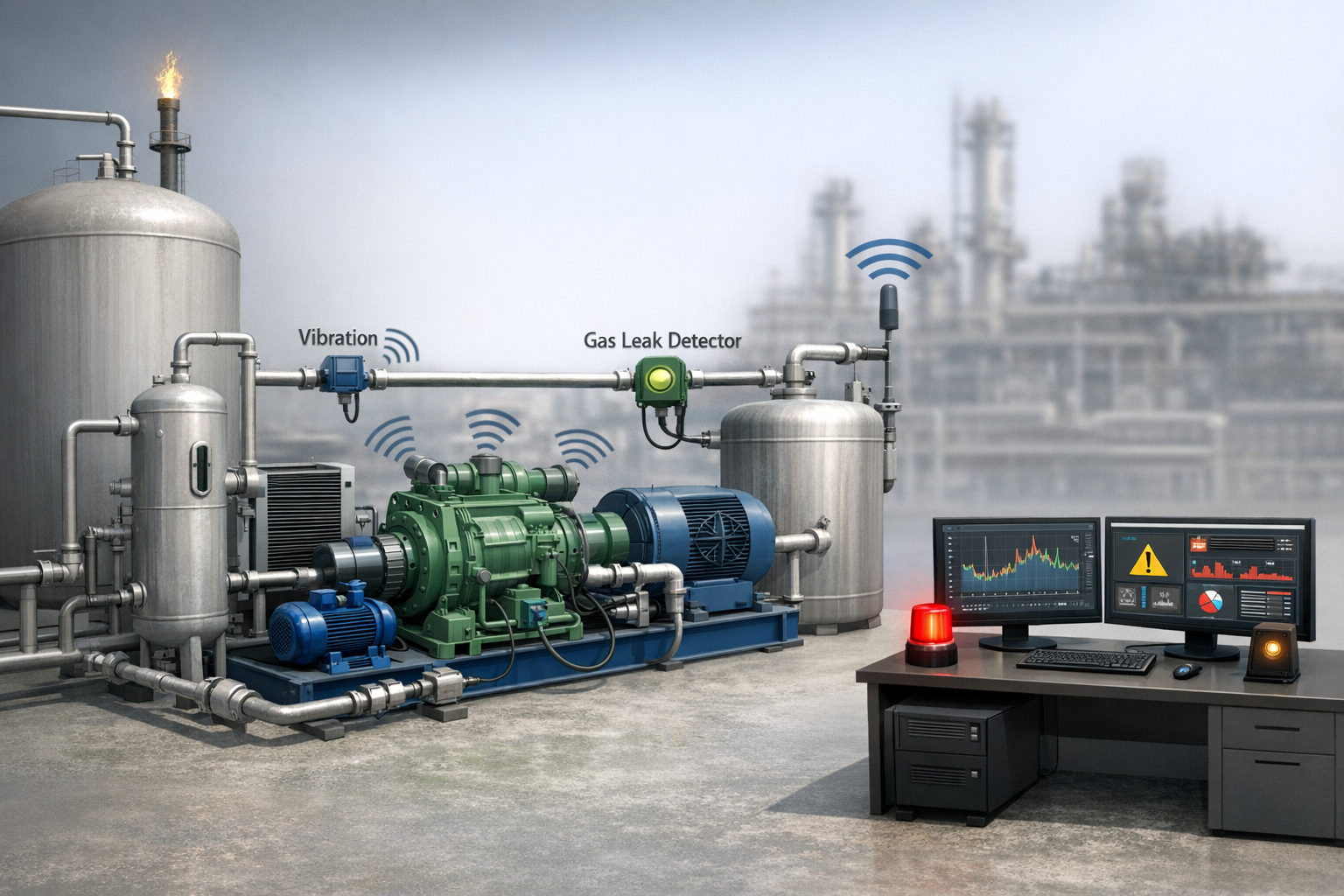
VRU / Process Compressor Early Event Detection
Detect early signs of compressor reliability issues, reduce unplanned trips, support root-cause analysis, and minimize flaring risk.
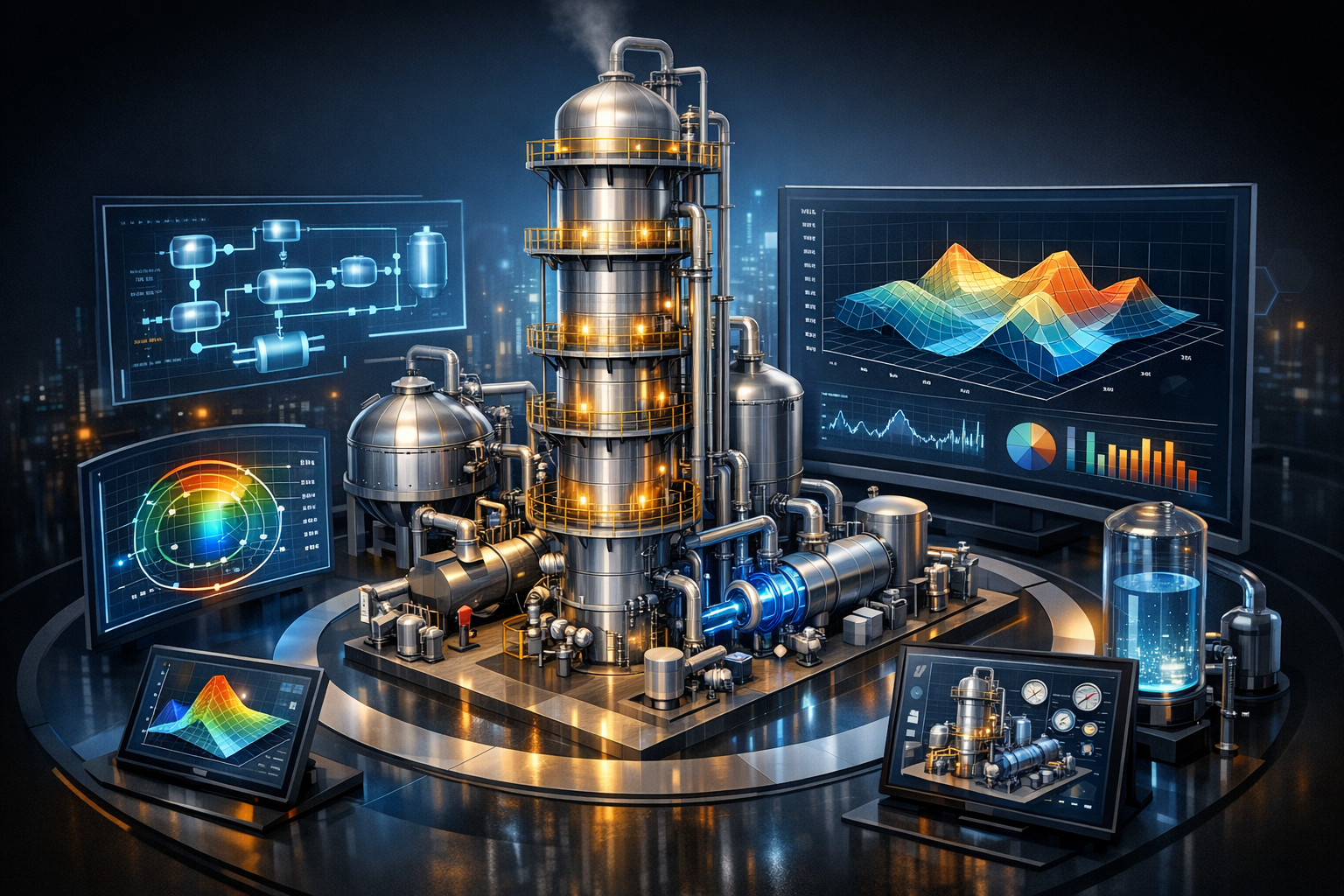
Distillation Column Performance Intelligence
Track column efficiency, detect deviations, improve separation performance, and reduce off-spec production risk.

APC / RTO Performance Monitoring
Monitor optimizer degradation, detect controller performance loss, and support corrective action aligned with actual plant conditions.

Alarm Aggregation & Root Cause Intelligence
Consolidate alarm patterns, identify recurring causes, and help operators prioritize interventions before disruptions escalate.
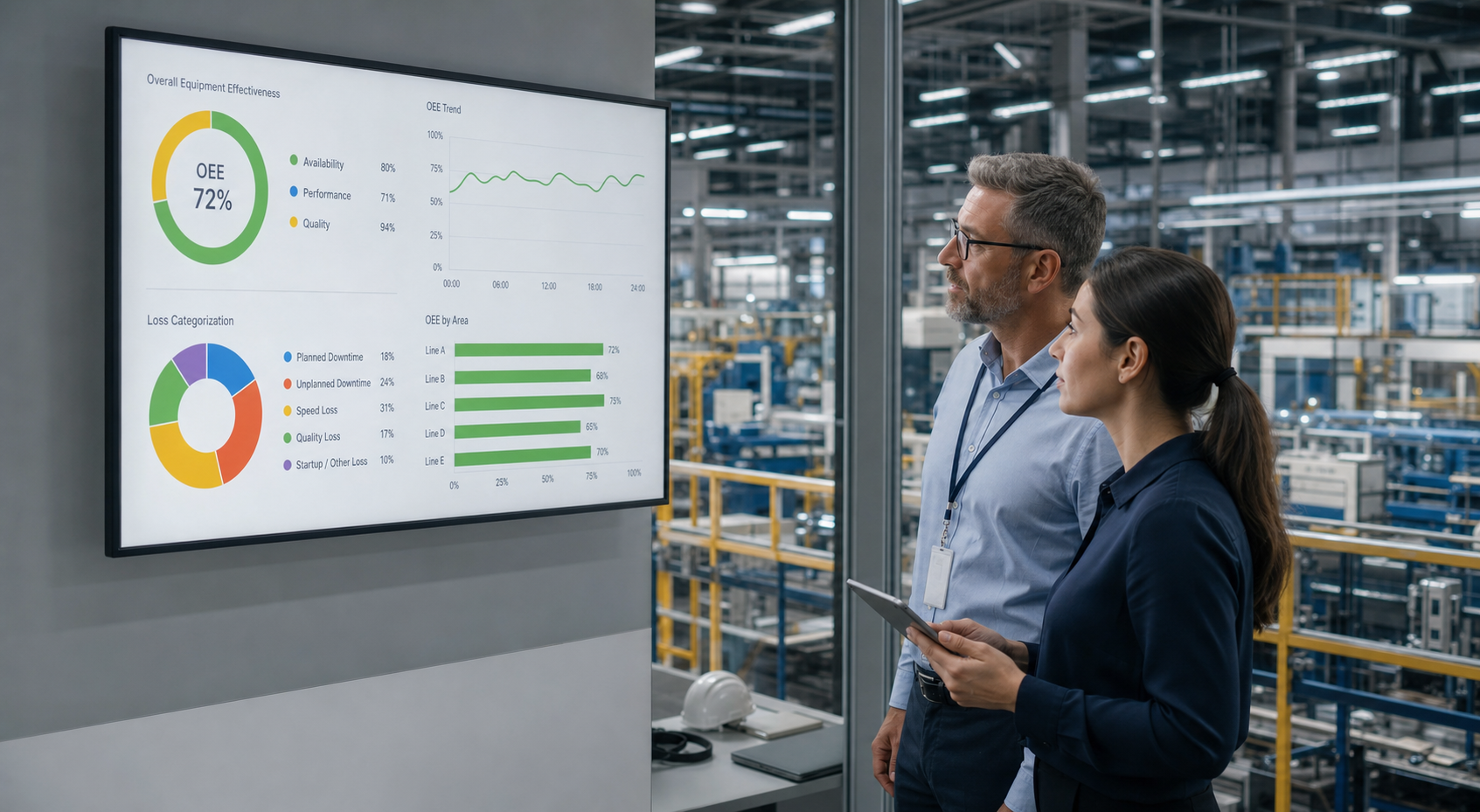
Plant-wide OEE & Loss Categorization
Identify availability, performance, quality, and energy losses across refinery assets and translate them into improvement actions.


